Everywhere you look, the cracks are showing. Feeds full of outrage. Conversations that used to feel spirited now feel dangerous.
A lot of people tell me they’re on edge and can’t quite say why. Politics is part of it. The bigger part, I think, is collective overload: too much information, too many demands, and too little trust in what’s real.
The weight of constant stress
In the American Psychological Association’s Stress in America survey, nearly 70% of adults said they feel overwhelmed by the number of crises facing the country at any given time. The news cycle has turned into a steady drip of anxiety that follows you from your phone to your desk to your kitchen table.
I see the same thing in session. More people come in because their baseline stress has become too much to carry. People who look like they’ve got it handled tell me they feel frayed at the edges.
Work burnout explains some of it. The rest is the slow pileup of constant vigilance.
When your nervous system gets flooded day after day, small things set you off. You snap at a coworker. You dodge a family conversation. You pull back to avoid a fight. That’s biology doing what it does. Bodies need recovery time, and most of us haven’t been getting any.
When nobody shares the same facts
Part of the strain is how hard it’s gotten to know what’s true. Almost 7 in 10 Americans reported news fatigue in research from the Pew Research Center. Reading the paper used to be simple. Now it comes with fact-checking, skepticism, and a low hum of suspicion.
That erosion has consequences. We start from different sets of facts, and our feeds serve up whatever confirms what we already believe. People dig in, feel validated by what they’re shown, and drift further from neighbors who are looking at a different version of reality.
From vulnerability to hardening
Disagreement used to be part of public life. A respectful argument could sharpen your thinking and help you understand someone better.
Now a lot of people steer clear. The risk of being misunderstood, shamed, or attacked feels too high, so the conversation never happens.
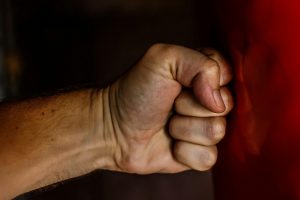
And when we skip it, we lose practice at vulnerability: admitting uncertainty, listening closely, risking not having the answer. Brené Brown has spent years making the case that vulnerability is where courage and connection start. Without it, we harden. We puff up and act unshaken, while on the inside we feel more alone, heavier, and more anxious.
Why this matters for mental health
Chronic stress and disconnection show up as anxiety, depression, substance use, and burnout. In 2023, the U.S. Surgeon General named loneliness and social isolation as urgent public health concerns because of what they do to both mental and physical health.
Division fractures communities, and it also frays the support people lean on to stay well. When neighbors, coworkers, and family members turn into people to avoid, your circle shrinks. The smaller the circle, the harder it is to get through the stuff life throws at everyone.
What actually helps
The fixes are slow and very human.
For you, it starts with small choices that slow the flood. Try limiting news apps to 1 push notification a day, turning off autoplay, or taking a phone-free walk after dinner. Those shifts give your nervous system room to reset while keeping you connected to what’s going on.
For all of us together, the work is harder. Rebuilding trust means showing up open even when it’s uncomfortable. It means listening more than you talk, asking honest questions, and remembering that your wellbeing is tied to the health of the people around you.
We can’t erase division overnight. We can keep it from defining us.
Taking care of your own mental health gives you more capacity to be generous with other people. Practicing vulnerability rebuilds connection. Grounding yourself in real relationships, over curated feeds, is how common ground starts to show up again.
None of us were built to do this alone. The strength we project when we wall ourselves off is thin. Real resilience comes from leaning on each other, even when it feels risky.